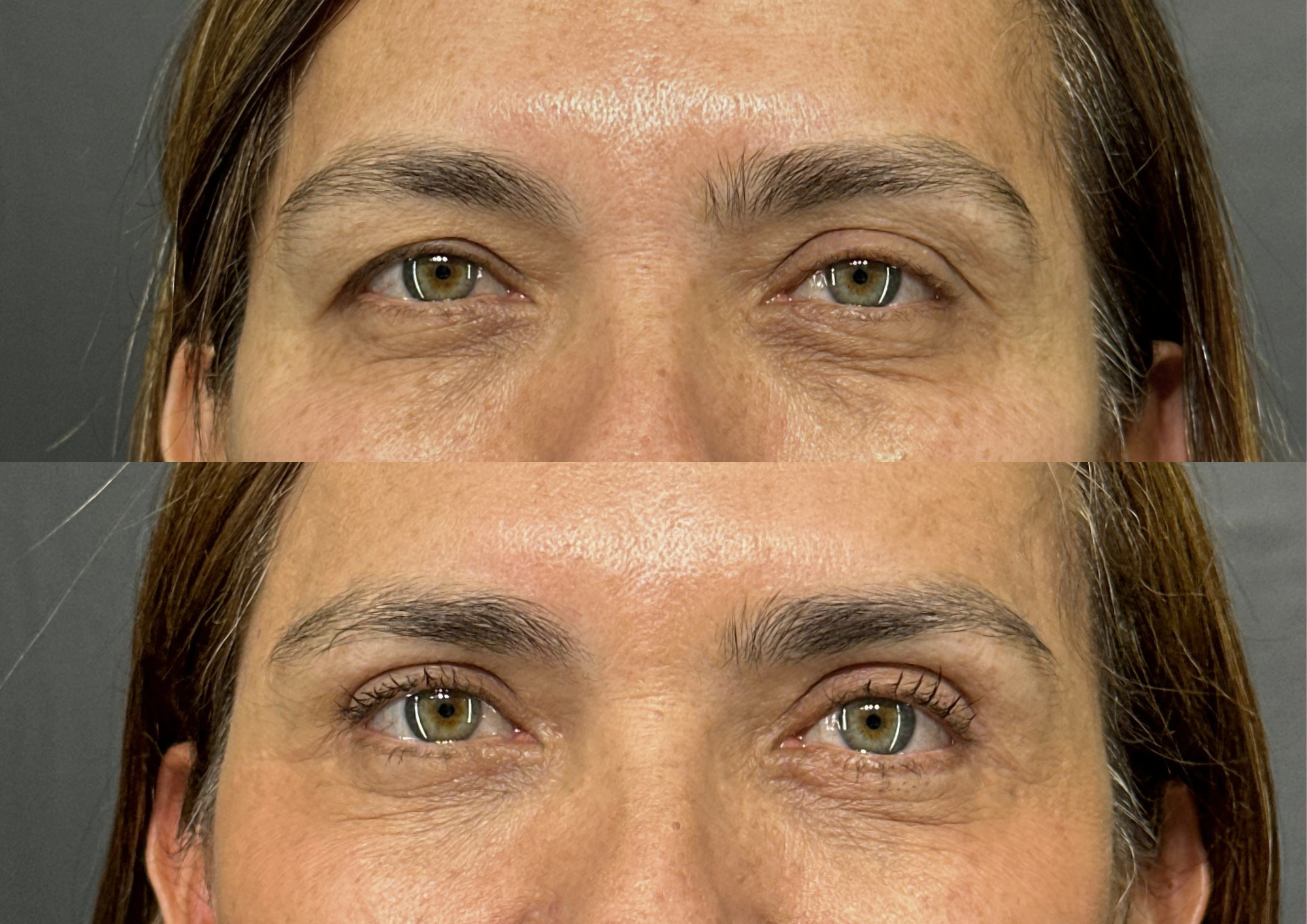
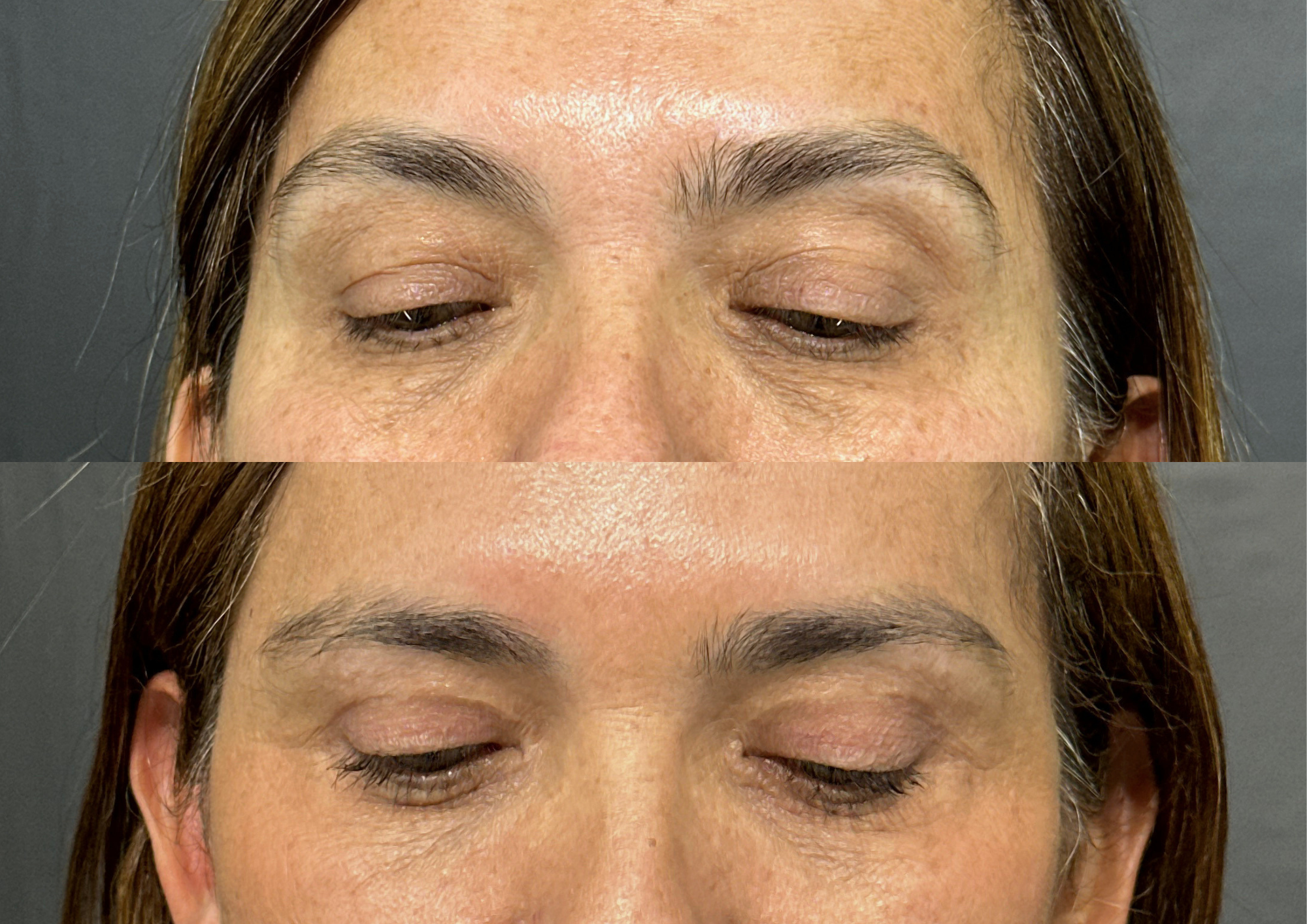
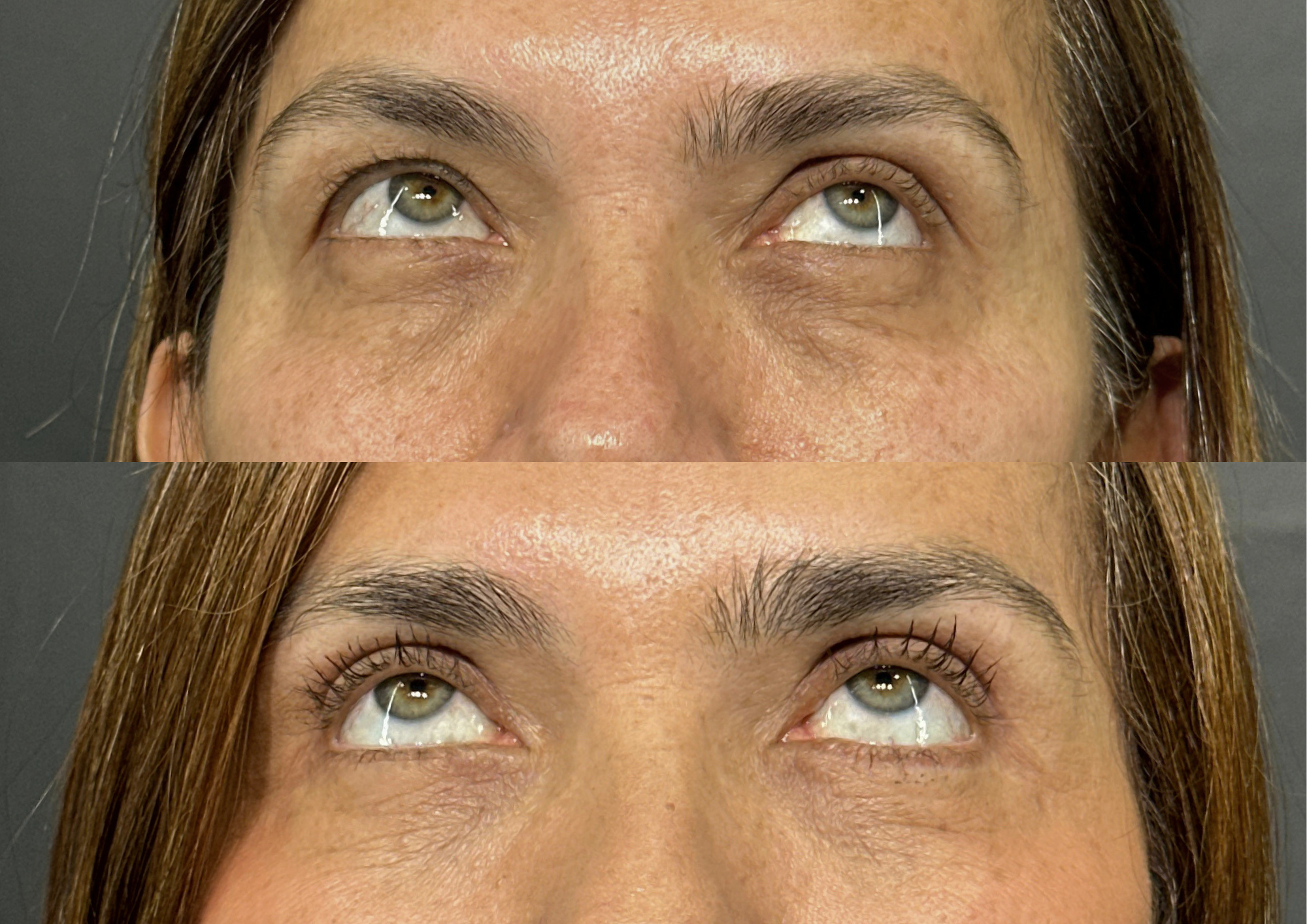
At 59, the patient came to the clinic troubled by eyes that looked tired even after a full night's sleep. There was also a visible asymmetry between the two eyes: the left one appeared smaller and more drooping, with excess skin covering part of the eyelid.
Added to this were bags under the lower eyelids and eyebrows that, over time, had lost support and were pulling the outer field of vision downward — together, these features made her expression look heavier than she felt inside.
Correcting only the excess skin on the upper eyelid would not have been enough: the eyebrow also needed support, and the lower bags called for their own attention. This combination led to the indication of Complete Blepharoplasty (Upper and Lower) associated with Brow Suspension, with a plan built around three fronts: careful removal of excess skin on the upper eyelid, respecting the eye's natural fold; smoothing of the fat bags in the lower eyelid, aiming for a more continuous transition into the cheek area; and suspension of the outer tail of the eyebrow, relieving the weight that had been building up over the eyelid.
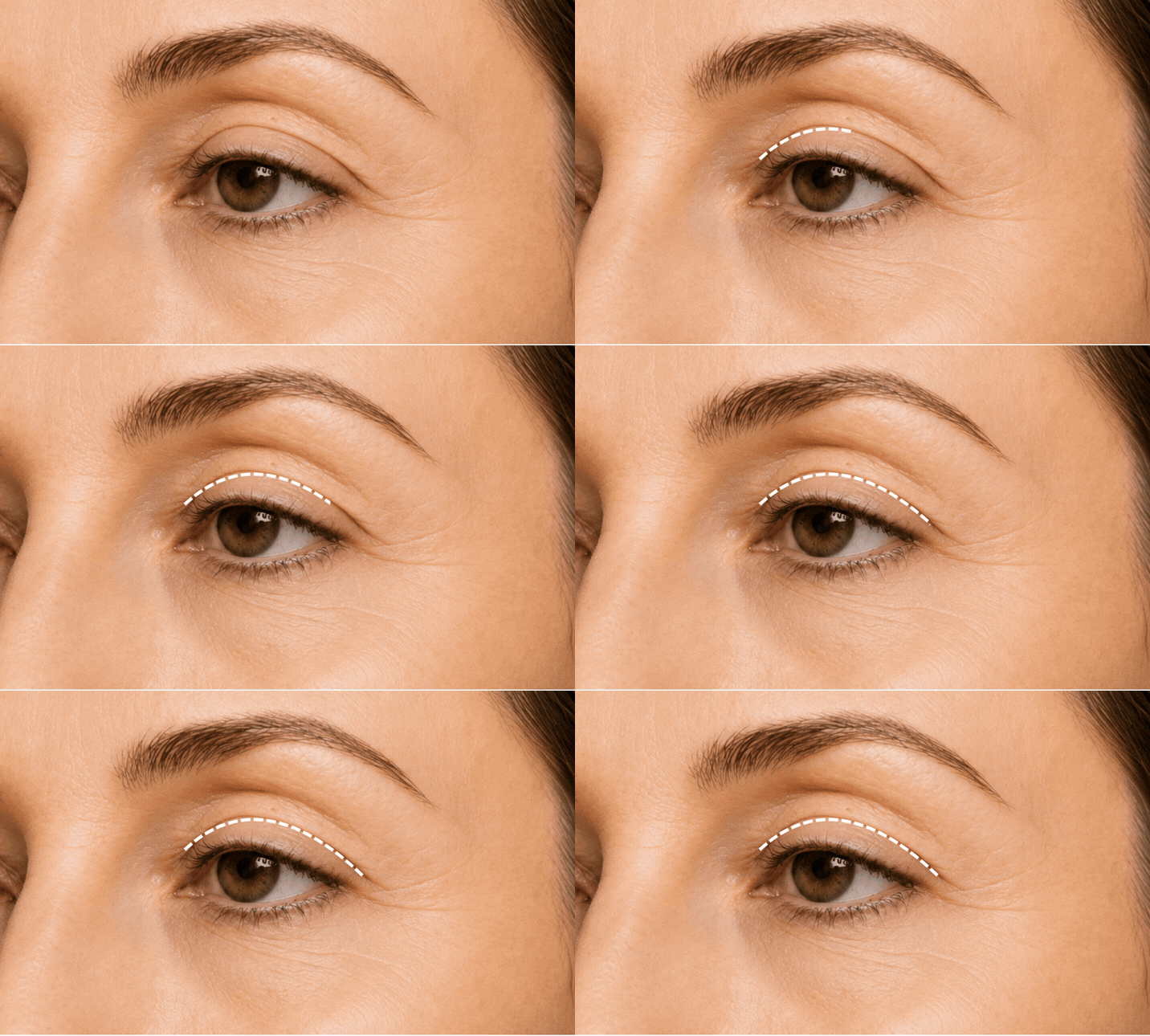
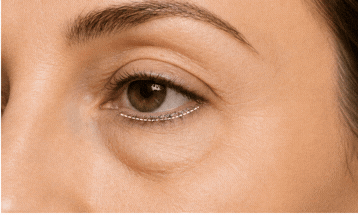
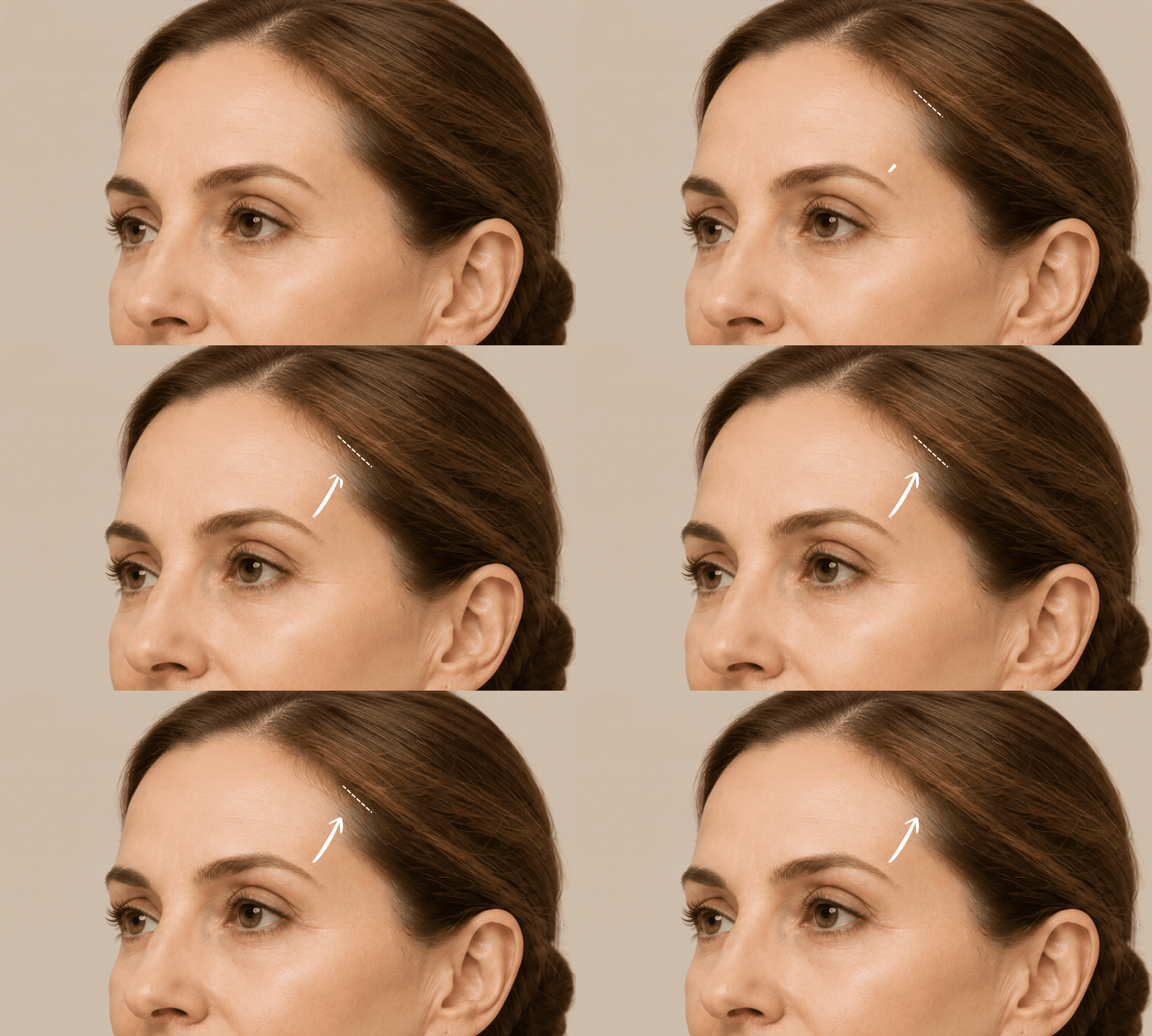
Periorbital surgery calls for anatomical refinement, aiming for the greatest possible discretion in scarring:
Upper Eyelid: incision placed in the natural eyelid crease, aiming to stay discreet when the eyes are open; Lower Eyelid: delicate incision close to the lower lashes (subciliary), allowing volume redistribution without disrupting the orbicularis muscle's movement; Brow Suspension: structural fixation that supports and opens the eyes laterally, aiming to avoid a "pulled" or artificial look.
The eyes carry much of the face's expression — so more than tightening skin, the goal here was to bring lightness back to this area: correcting the asymmetry and relieving the extra weight that had built up around the eyelids and brow, without changing the identity of the patient's gaze.
The procedure was performed under local anesthesia and sedation, with particular attention to preserving natural eyelid closure. Recovery followed a smooth course, with discharge on the same day — as with any surgery, the final outcome depends on each patient's individual biological response.
The photos, taken approximately nine months after surgery, illustrate the tissue response observed over that period: frontal gaze, showing improved symmetry between the two eyes and a more lifted brow tail; closed eyes, showing discreet scarring and the reduction of the skin that previously gathered on the eyelid; and upward gaze, illustrating the smoothing of the volume that previously marked the lower eyelid.
The result reflects the patient's individual response, within the technical goal of a more open, rested-looking gaze.
 PT
PT EN
EN