Deep Plane brought a new perspective to facial surgery by focusing on repositioning the face's deep structures, working beyond skin-only treatment.
Developed by Dr. Marcelo Olivan, the Microlift Deep Plane applies these concepts through his own approach, structured around surgical planning that aims to optimize incisions while respecting each patient's individual anatomy.

With a PhD in Plastic Surgery from the University of São Paulo, board certification from the Sociedade Brasileira de Cirurgia Plástica and ISAPS (International Society of Aesthetic Plastic Surgery), and over two decades of experience, Dr. Olivan has dedicated his practice to facial surgery.
His background combines research, medical training, and experience in complex reconstructions — a foundation that shaped the development of his own approach to the Deep Plane technique: the Microlift.
Each procedure is planned on a strictly individual basis by Dr. Marcelo Olivan, with meticulous attention to anatomical variation, seeking the most suitable placement to keep scars discreet, and prioritizing each patient's natural features.
For many years, facelifts were associated with the fear of a "pulled" appearance. That perception emerged at a time when many techniques focused mainly on the skin.
As facial surgery evolved, the Deep Plane technique began repositioning the face's deeper structures, respecting its anatomy and reducing the need for excessive tension on the skin.
Developed by Dr. Marcelo Olivan, the Microlift Deep Plane applies these concepts through his own approach, structured around surgical planning that aims to optimize incisions while respecting each patient's individual anatomy.
Each case illustrates the surgical plan carried out, the recovery process, and the tissue response observed over time.
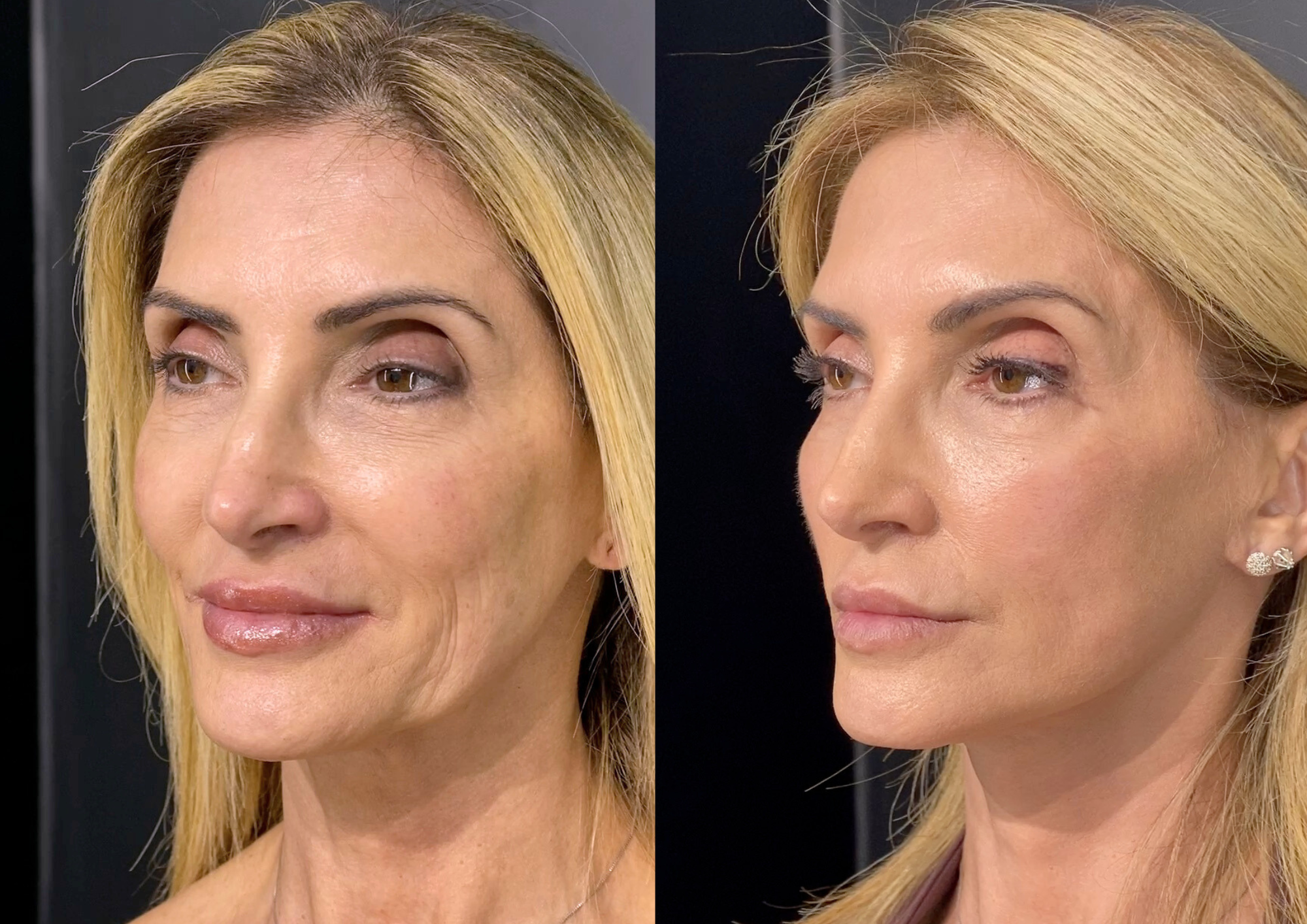
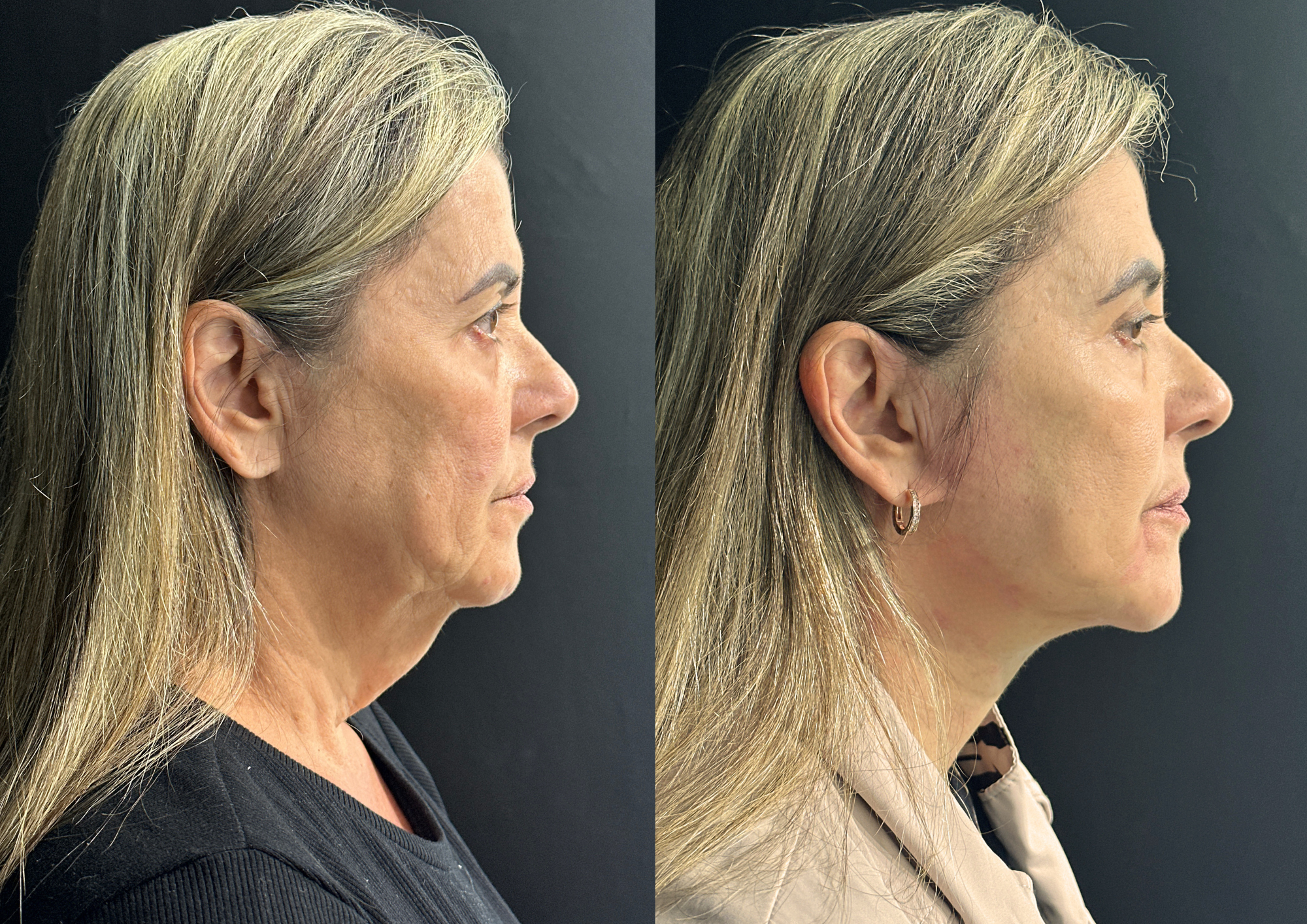
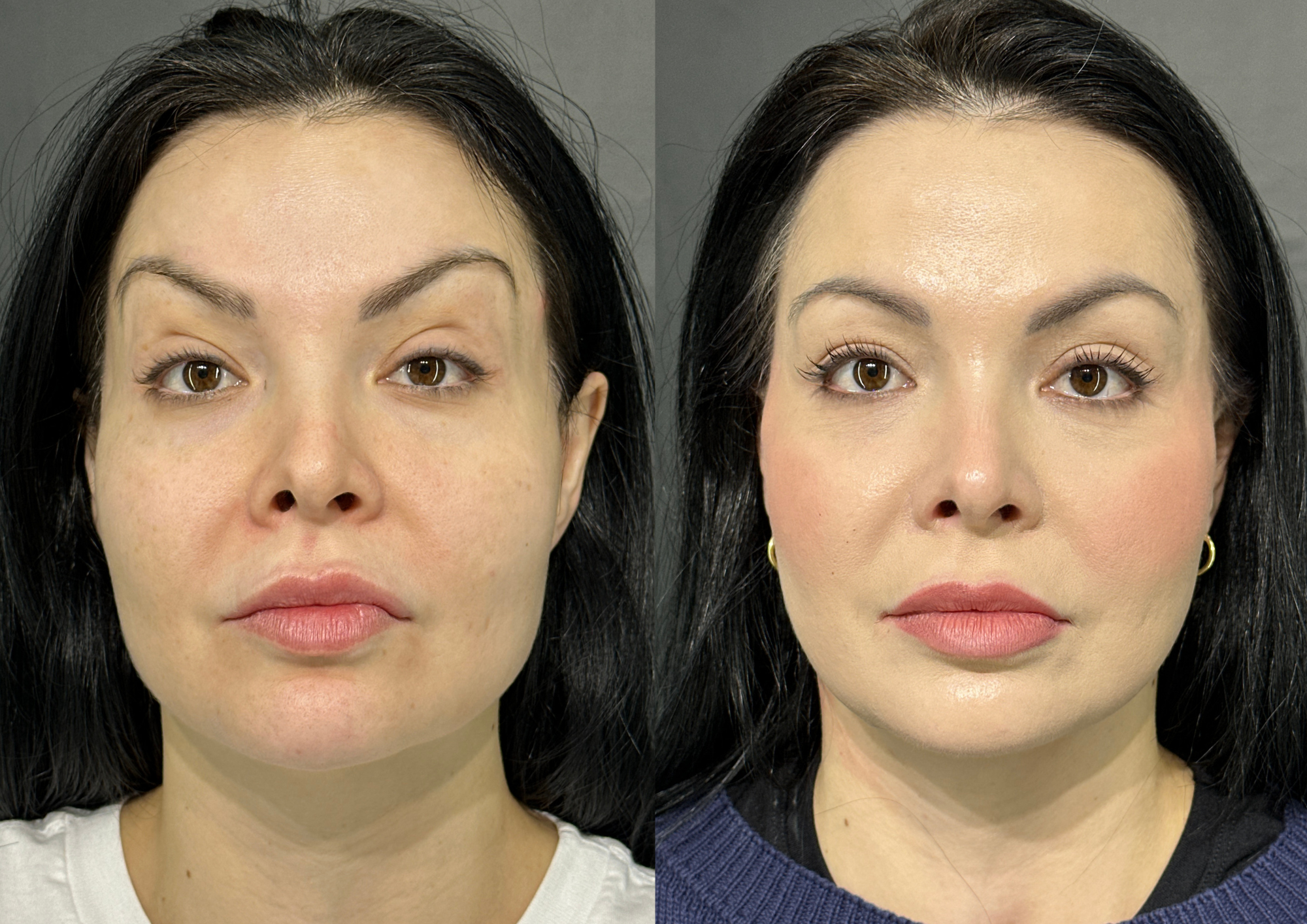
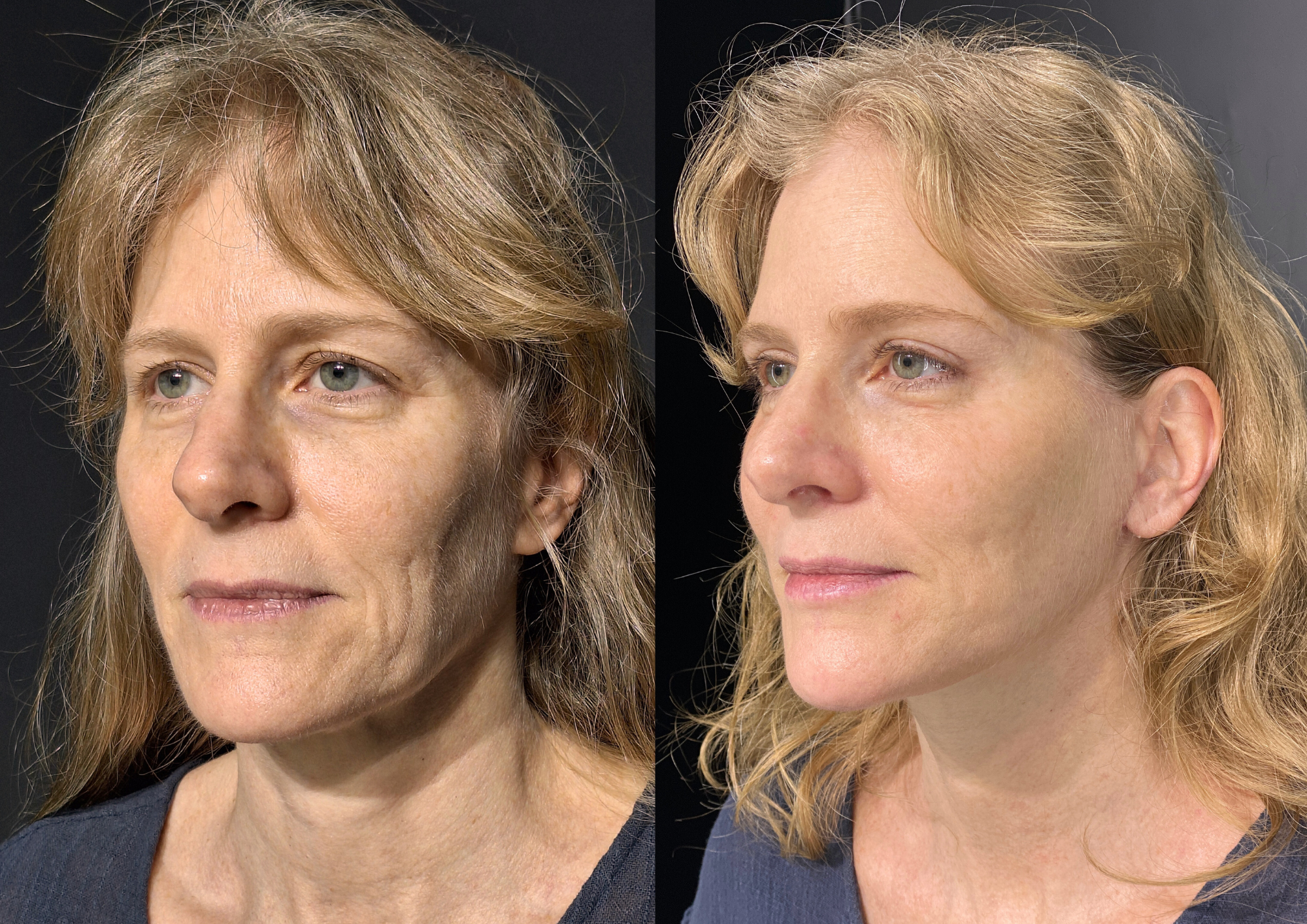
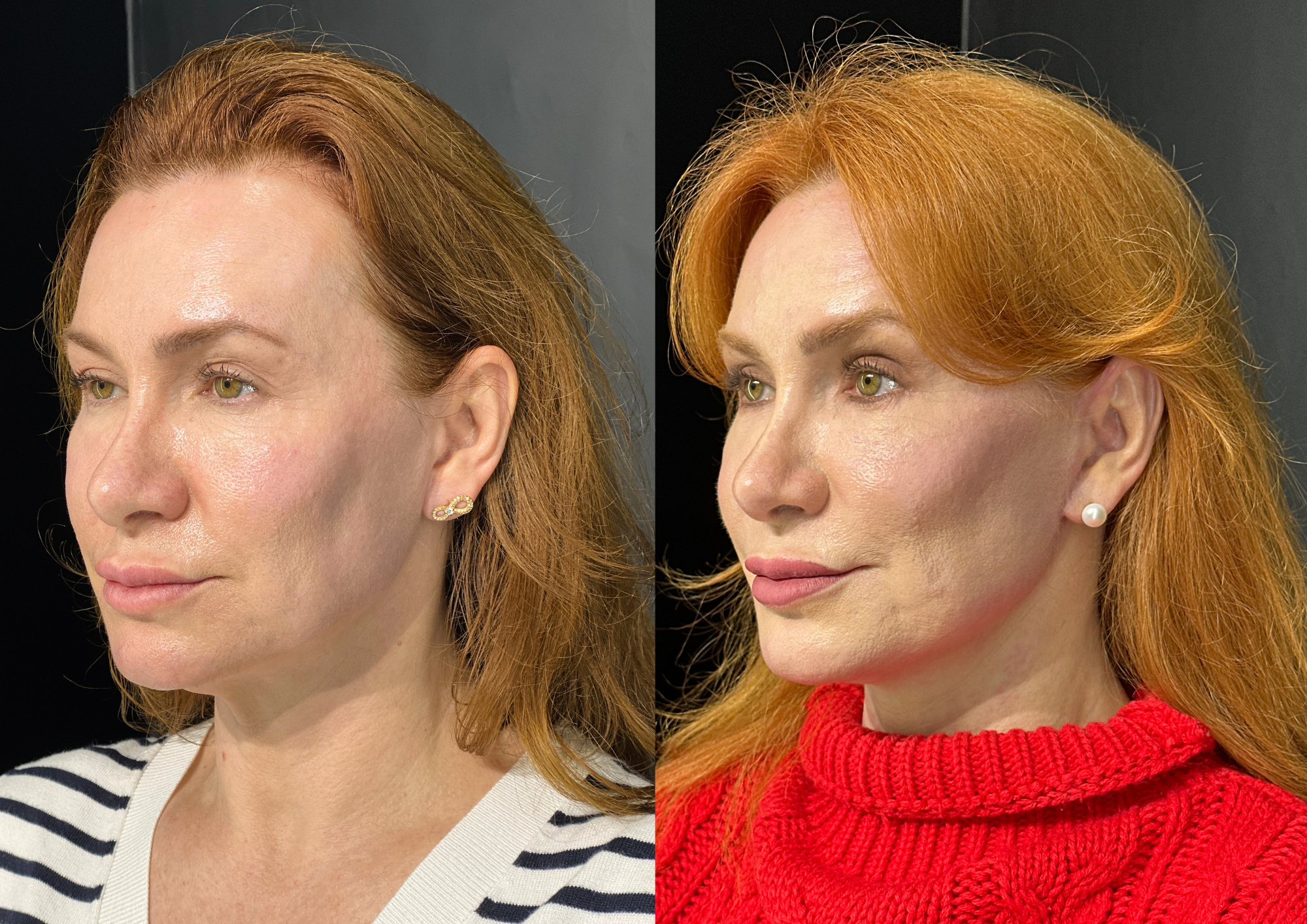
The surgical indication is individualized and may involve different areas of the face, depending on each patient's features, concerns, and goals.
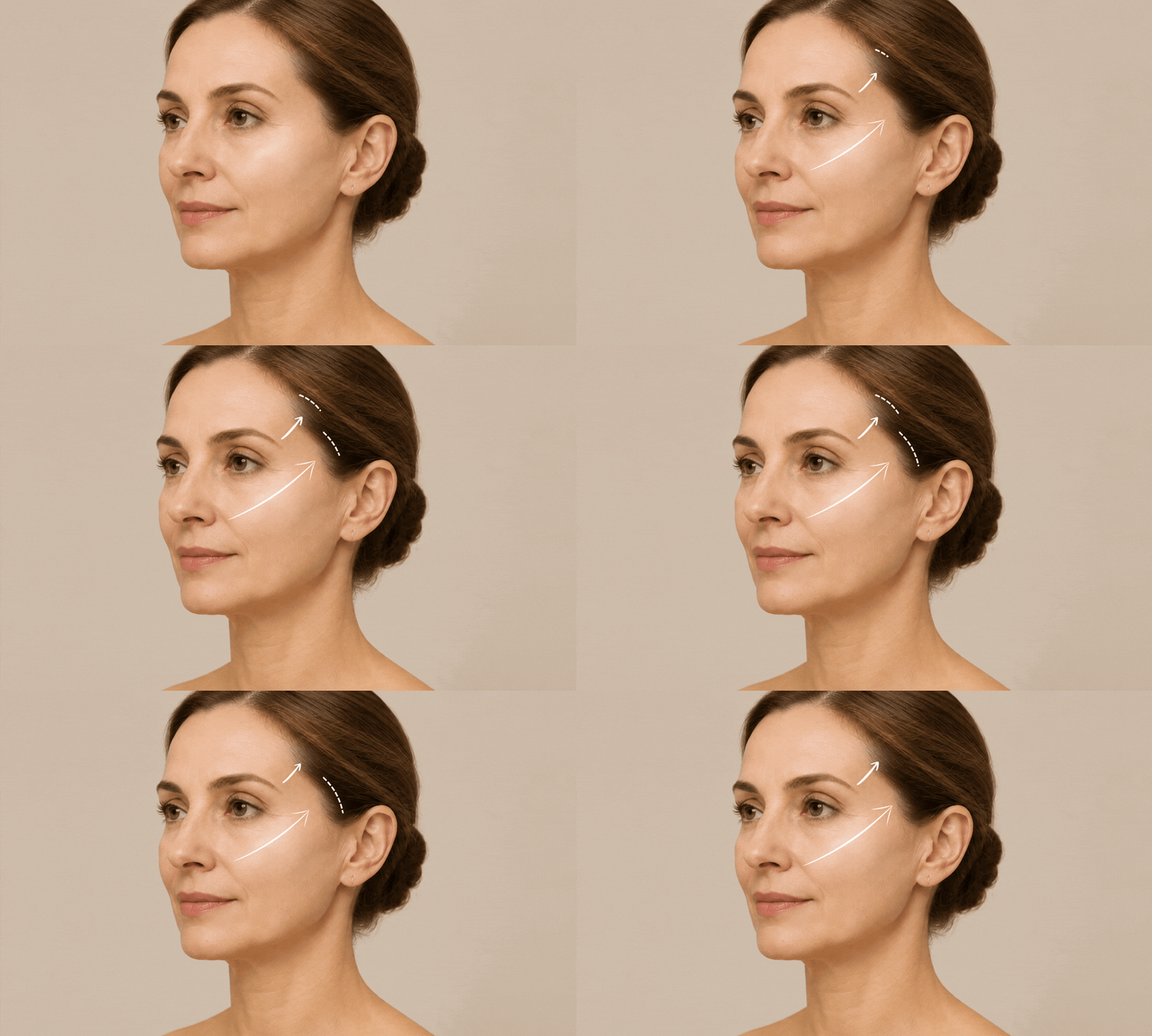
Indicated to address the temporal and malar regions, focusing on repositioning the deep tissues of the upper face. The technical goal is to provide support to the cheekbone area and soften the appearance of the nasolabial fold, respecting each patient's bone structure. Incisions are planned to remain discreetly positioned within the hairline.
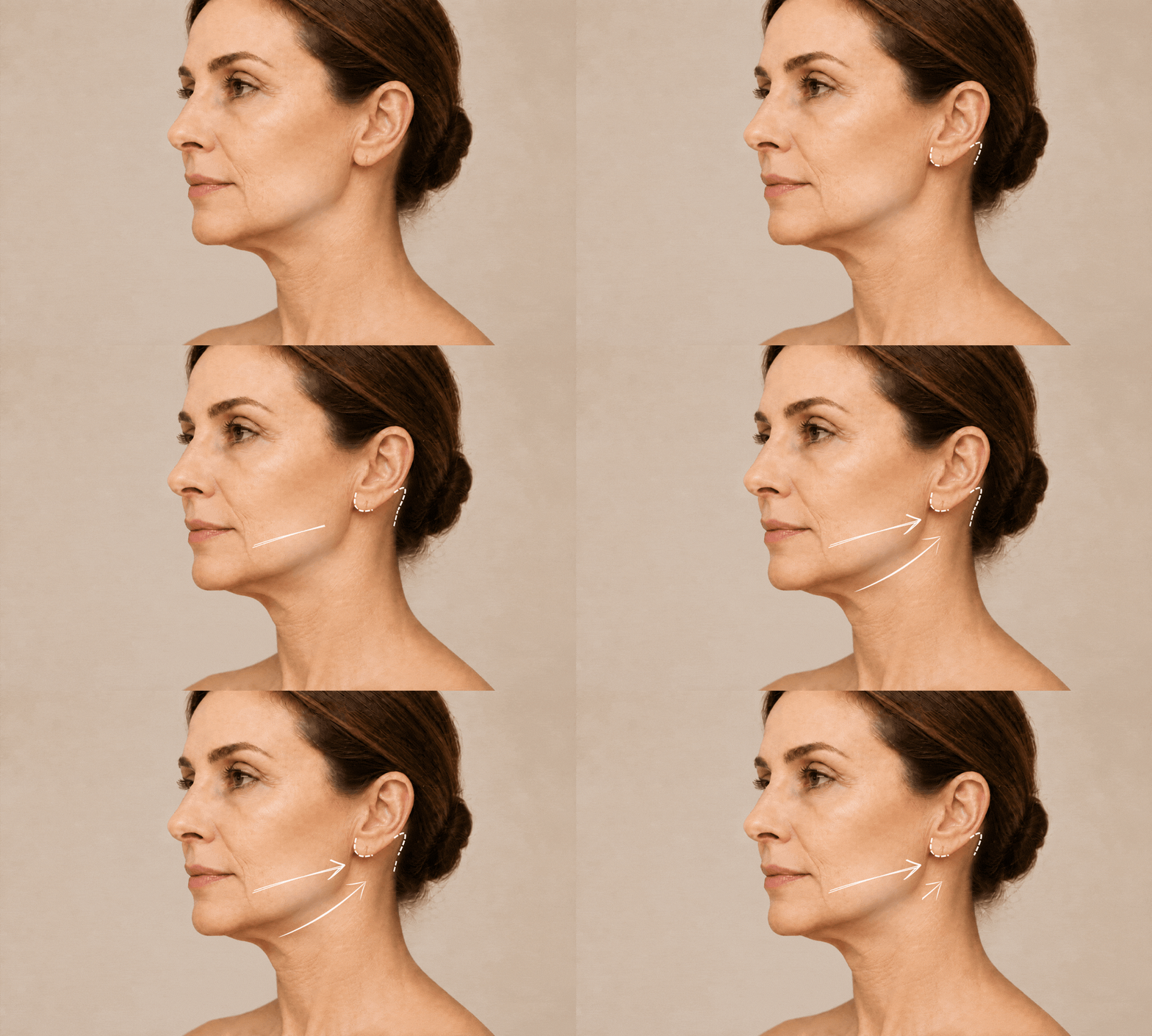
Indicated for managing loss of jawline definition and structural sagging in the lower face and/or neck. The procedure aims at tissue optimization in these areas, recognizing that the final outcome depends on each patient's tissue elasticity and biological response. Access points begin at the earlobe and follow the contour behind the ear to keep scars discreet.
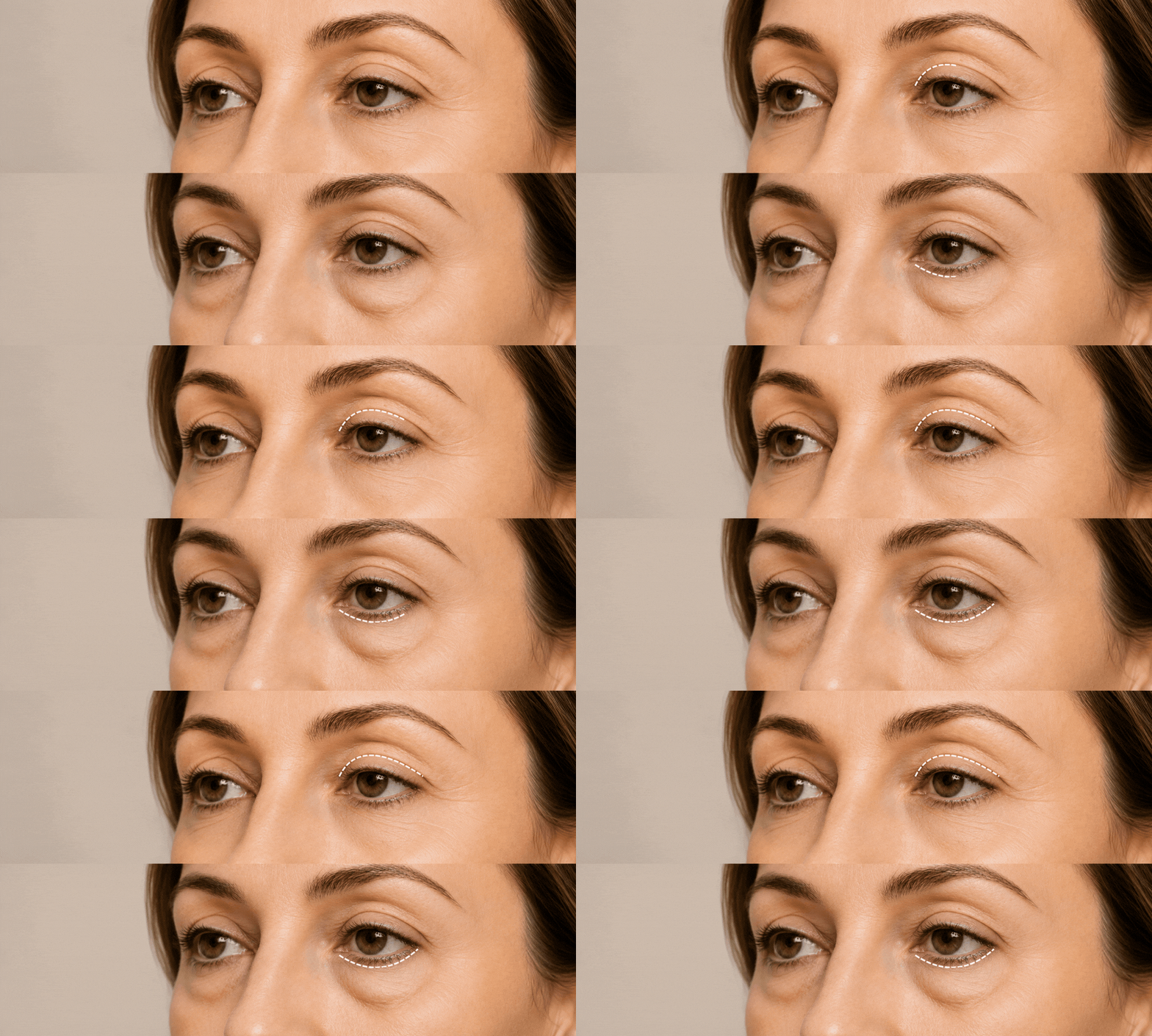
Addresses excess skin on the upper eyelids and manages fat pockets or sagging on the lower eyelids. The plan aims to bring lightness and a rested look to the eyes, strictly respecting each patient's natural expression and individual anatomical features.
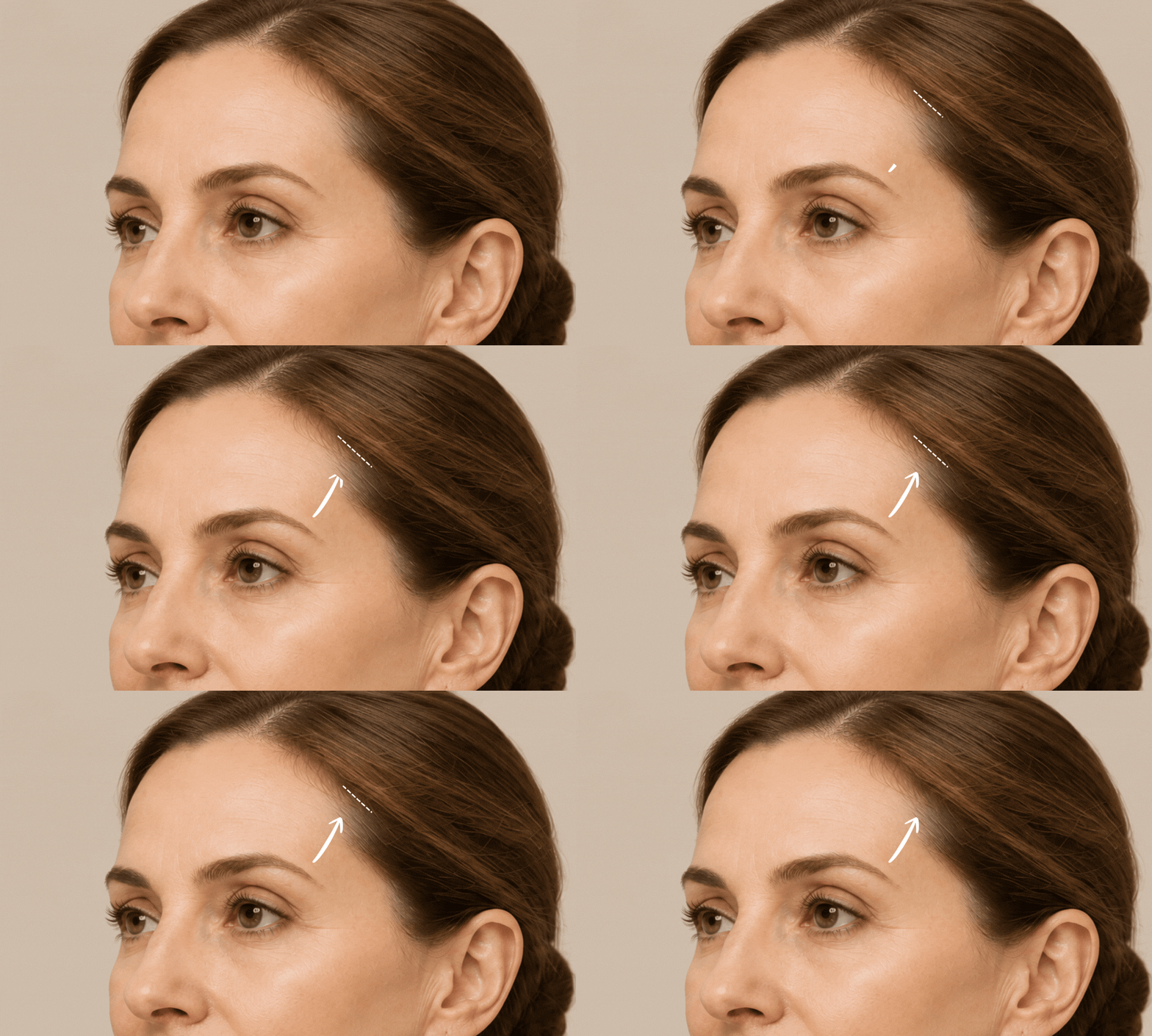
Aims to assist with the subtle repositioning of the brow tail through incisions placed within the hairline, with the technical goal of opening up the eye area. It may be performed on its own or combined with the Microlift or Blepharoplasty, strictly under clinical indication.
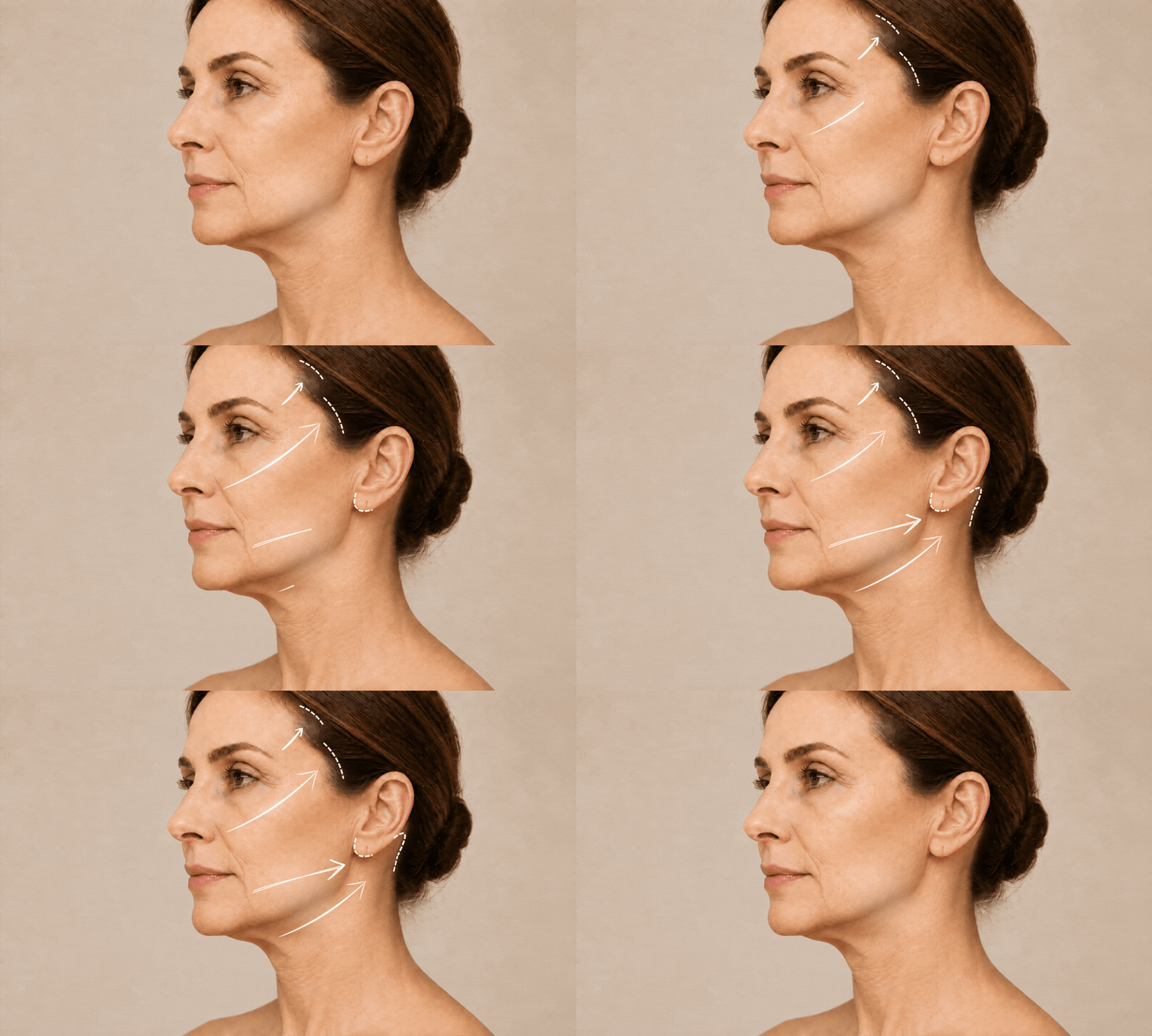
Combines, within a single surgical plan, the Microlift Deep Plane approach to repositioning the deep tissues of the upper and lower face with structural management of the neck. The intervention seeks meaningful, comprehensive improvement of facial structures against the ongoing effects of time, establishing realistic goals for anatomical enhancement.
With an exclusive focus on facial surgery, the Olivan Face Institute brings together the infrastructure, team, and protocols built specifically for this field.
This dedication allows for the continuous study of surgical techniques and the development of proprietary approaches, such as the Microlift Deep Plane, focused on managing the effects of time based on strictly scientific criteria applied by Dr. Marcelo Olivan.
View Treatments →
No. In the Microlift Deep Plane, the term "micro" refers to the strategic planning of access points and incisions — not to the extent of the internal treatment.
The surgery works at the deep plane level, where Dr. Marcelo Olivan applies his full technique, experience, and diligence to carefully reposition the anatomical structures.
However, the final outcome and the degree of tissue settling do not depend on the surgical act alone — they are strictly conditioned by each patient's biological response and unique healing process.
Access planning is individualized and varies according to the areas treated.
In the upper face, incisions are strategically positioned within the hairline. For the lower face and neck, they begin at the earlobe and follow the contour behind the ear. When structural neck treatment is indicated, a complementary approach beneath the chin may be necessary.
All surgical planning aims to position access points to keep scars as discreet as possible. It is essential to understand, however, that the healing process is a strictly individual response; the final appearance and coloring of each scar therefore depend on each patient's unique biology.
The recovery period and post-operative course are strictly individual. Normal symptoms such as swelling and bruising show the most improvement around the first 15 days.
Clinically, an initial stabilization of the tissues allows for preliminary assessments from the third month onward.
However, the complete process of tissue maturation and final healing takes 12 to 18 months, a period during which the body continues to settle gradually and unpredictably.
Certain procedures meet the technical criteria for being performed at our clinic's own surgical center, under local anesthesia with assisted sedation, with discharge expected the same day.
The choice of setting is based exclusively on safety, technical complexity, comorbidities, or combined clinical criteria, with hospital settings (such as Hospital Sírio-Libanês) preserved whenever necessary or by mutual agreement with the patient.
Initial technical alignment can be structured remotely for logistical planning and screening purposes.
International patients or those from other regions are advised to remain in São Paulo for the minimum period set by the medical team (generally 4 to 7 days for partial procedures, or as indicated for the specific case). Formal clearance for domestic or international travel depends strictly on an in-person post-operative clinical evaluation, and does not represent a fixed or guaranteed timeframe — the patient's biological safety is always the priority.
For patients residing abroad, initial logistical support is structured remotely. Remote alignment allows the early stages — screening, accommodation planning, and scheduling the mandatory in-person consultation before the procedure — to be organized in advance.
Depending on the individual plan, this journey may include private airport transfer, surgery at our clinic's own surgical center, in-hotel nursing support, prescribed medications, photobiomodulation sessions, and facial lymphatic drainage.
The initial estimate for staying in São Paulo before the return flight is generally around seven days for partial procedures, but this period is not fixed. Formal clearance to travel depends strictly on each patient's clinical progress and healing, as assessed in an in-person post-operative consultation.
Every case is evaluated individually. A consultation with Dr. Marcelo is the way to understand whether surgery is indicated, and what it would involve.
Get in touch directly with our team to schedule your consultation.
Our Virtual Concierge can answer questions about the Microlift technique, recovery, scarring, pricing, and care for patients from other cities or countries.
 PT
PT EN
EN